 Seventh Graders Take Their Learning Into the Streets of St. Louis and Chicago
What happens when a Middle School classroom expands to include neighborhoods, museums, businesses, community leaders, and even another city?
At The College School, experiential learning gives students opportunities to take what they are studying in the classroom and use it to better understand the world around them. For Seventh Grade students, the Urban and Social Justice Experience is one of the most significant examples.
Throughout the trimester, students investigated one central question:
What enables an urban community to thrive, and what contributes to its decline?
Answering it required much more than reading a textbook.
Learning About St. Louis by Experiencing It
Students began by studying urban and suburban development alongside important periods in American and St. Louis history. Their work ranged from the Missouri Compromise and Dred Scott through Reconstruction, Jim Crow, the Civil Rights Movement, and the “Great Divorce” between St. Louis City and County.
They also considered how racism, classism, public policy, and investment have influenced the development of cities and communities over time.
Then, they took that learning into the field.
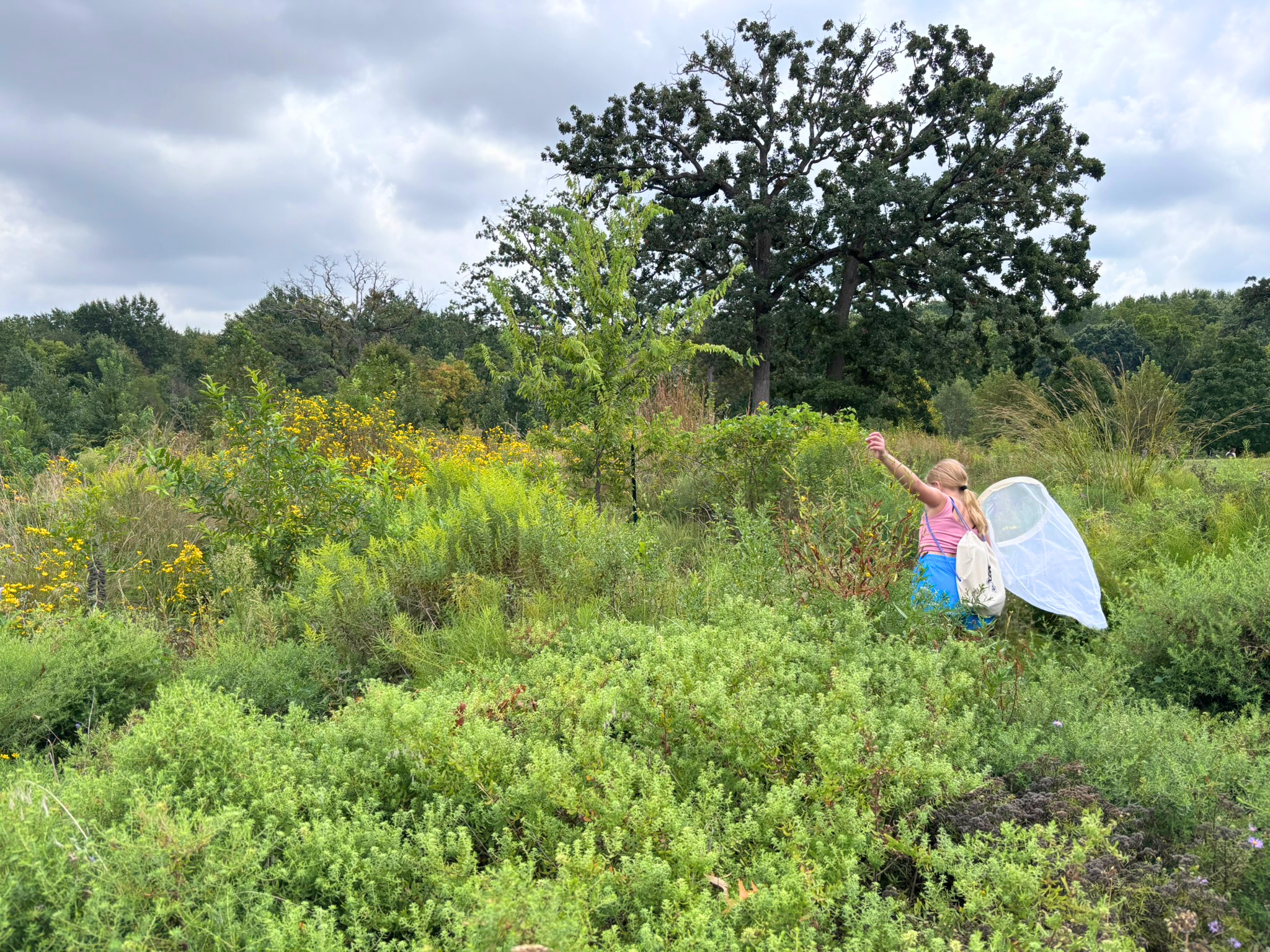
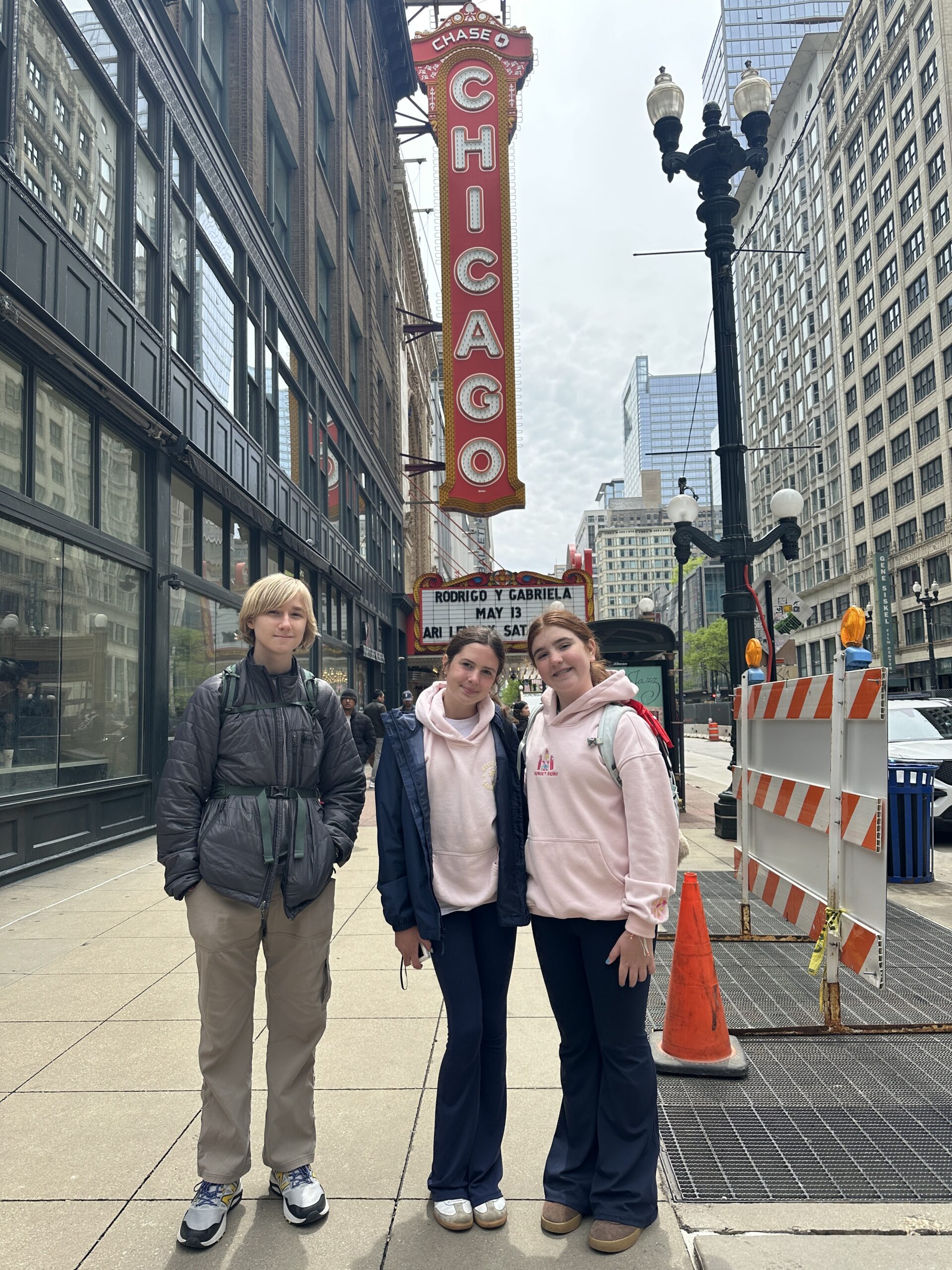
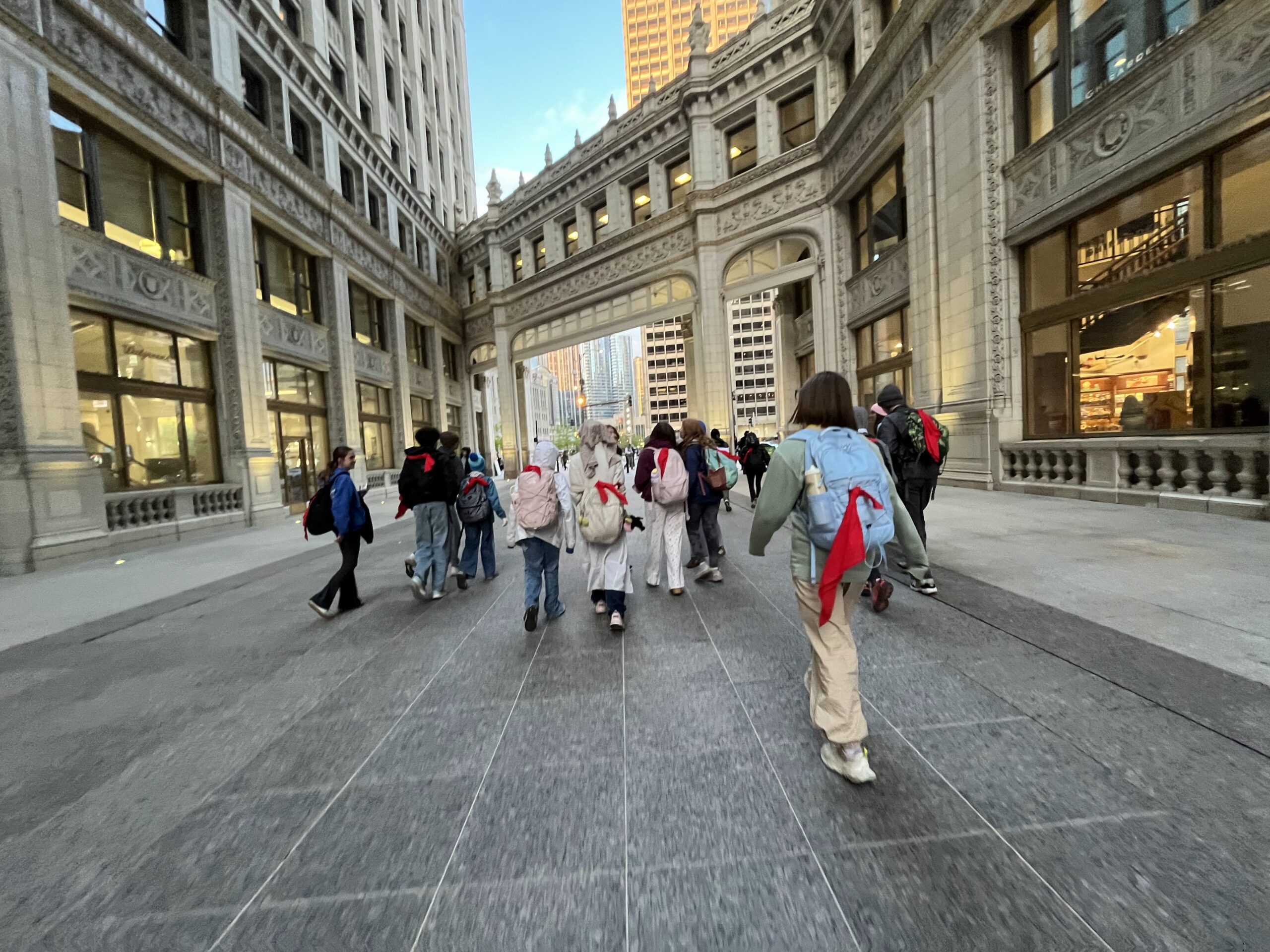
Students visited six St. Louis neighborhoods and five neighborhoods in Chicago, observing how history, development, businesses, public spaces, and community resources shape each place.
In St. Louis, their field learning took them to neighborhoods including Soulard, North Webster, Cherokee Street, The Ville, and the Mural Mile. At the Missouri History Museum, students explored the Mill Creek Valley exhibit and interviewed curator Gwen Moore about displacement and gentrification.
They also attended a screening of A Black History Tour of Saint Louis followed by a panel discussion with director Tony West, Father Gerry Kleba, and other community members.
Learning to Ask Better Questions
The experience wasn’t simply about visiting different places. Students practiced the skills required to learn from the people who know those communities best.
They observed carefully, developed thoughtful questions, and interviewed residents, business owners, historians, and community leaders about what makes a community connected, resilient, and successful.
Those conversations challenged students to listen closely and consider perspectives beyond their own.
The guiding message throughout the experience was simple:
Be curious, not judgmental.
Taking Their Learning to Chicago
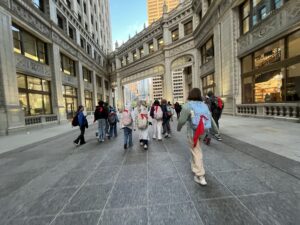
The trimester culminated in Chicago, where students had an opportunity to apply what they had learned in St. Louis to another major American city.
As they explored Chicago neighborhoods, students compared the two cities, identified patterns, considered challenges facing urban communities, and reflected on the ways citizens can contribute to meaningful change.
The trip wasn’t separate from their academic work. It was the next step in it.
 Turning Fieldwork Into a Final Project
For their culminating project, each student selected a community-based topic and created a podcast combining historical research, field observations, interviews, and personal reflection.
The project required students to do more than demonstrate what they knew. They had to synthesize information from multiple sources, make connections between history and what they had observed firsthand, develop their own ideas, and communicate those ideas thoughtfully to an audience.
It’s a good example of what experiential learning can look like in Middle School at The College School: rigorous academics connected to authentic experiences and meaningful work.
By stepping beyond the classroom and listening to the people and places around them, Seventh Graders discovered that understanding a city begins with understanding its history—and one another.